
March 23, 2026
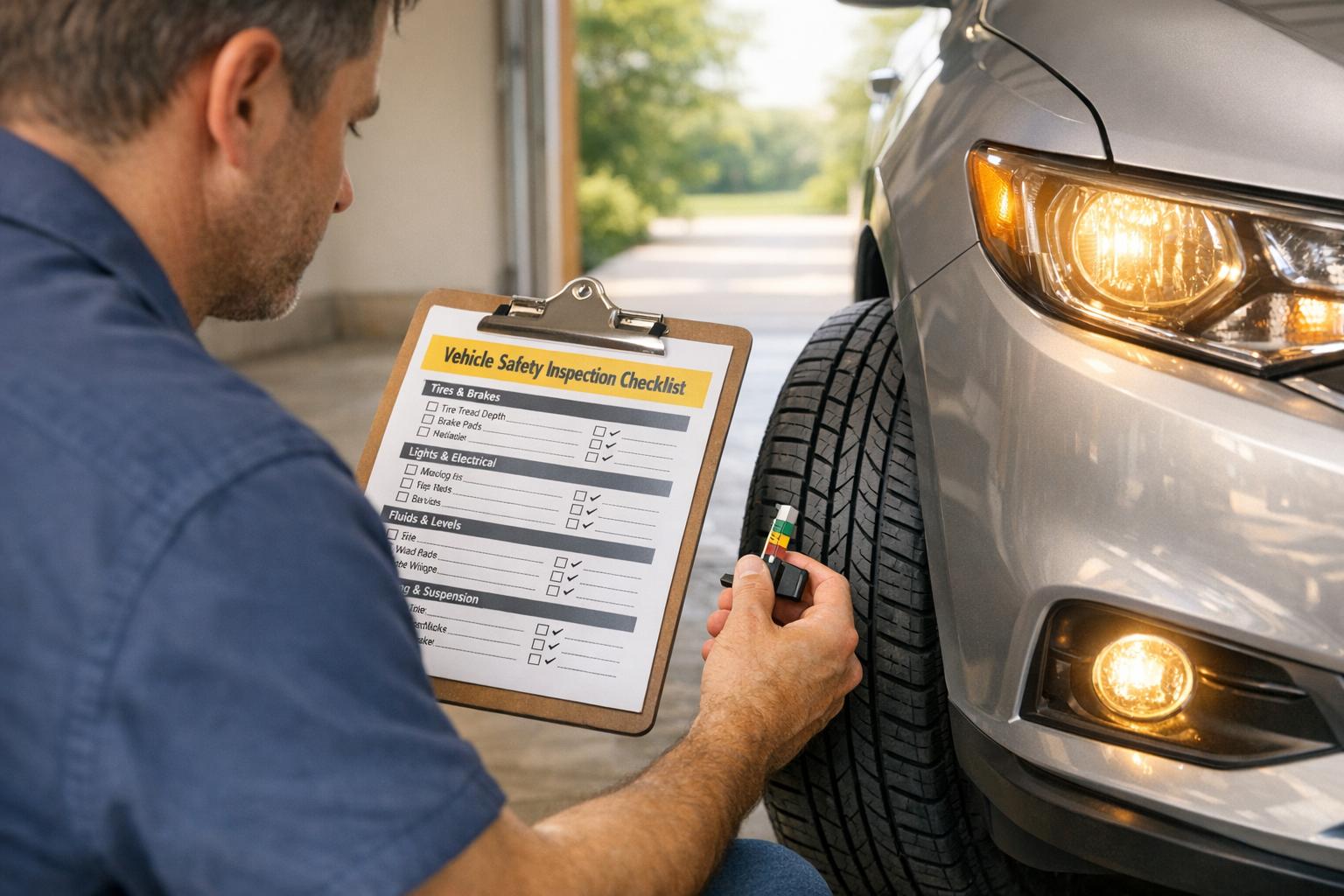
Driving a safe vehicle isn’t just about peace of mind—it’s about protecting yourself and others on the road. Whether you’re gearing up for a cross-country adventure or just commuting to work, taking a few minutes to inspect your car can make all the difference. A well-structured car safety guide helps you cover the basics, from tire condition to brake functionality, without needing a mechanic’s expertise.
Many drivers overlook small issues until they become big problems. A worn tire tread might not seem urgent until you’re skidding on a rainy day. Or a dim headlight could go unnoticed until you’re struggling to see at night. By using a simple tool to evaluate your vehicle’s condition, you can catch these concerns early. Think of it as a preventive health check for your car—regular attention keeps it running smoothly and avoids unexpected breakdowns.
Focus on key areas like fluids, lights, and belts. A quick scan can reveal low oil levels or a frayed serpentine belt, both of which are easy fixes if caught in time. Pair this habit with a trusted resource, and you’ll always be prepared for the road ahead.
Not at all! Most items on our Vehicle Safety Inspection Checklist can be checked with just your eyes and a little know-how. For things like tire tread depth, a penny test works fine—insert it into the tread, and if you see Lincoln’s head, it’s time for new tires. For fluids, you might need to pop the hood, but no fancy gear is required. If you’re unsure about anything, jot it down and swing by a mechanic.
It depends on how much you drive, but a good rule of thumb is to run through this checklist before any big trip or every few months. If you’re racking up miles daily, consider a quick check monthly—especially for tires and fluids. Regular peeks under the hood can catch small problems before they turn into costly repairs. Plus, it’s a habit that keeps you and others safe on the road.
Don’t panic! Our checklist is designed to help you spot potential red flags, not diagnose them. If something looks off—like a cracked windshield or low brake fluid—make a note of it and get a professional to take a look. Safety first: don’t drive if you’re worried about a critical issue like brakes or steering. Most mechanics are happy to do a quick inspection if you’re unsure.
