
March 8, 2026
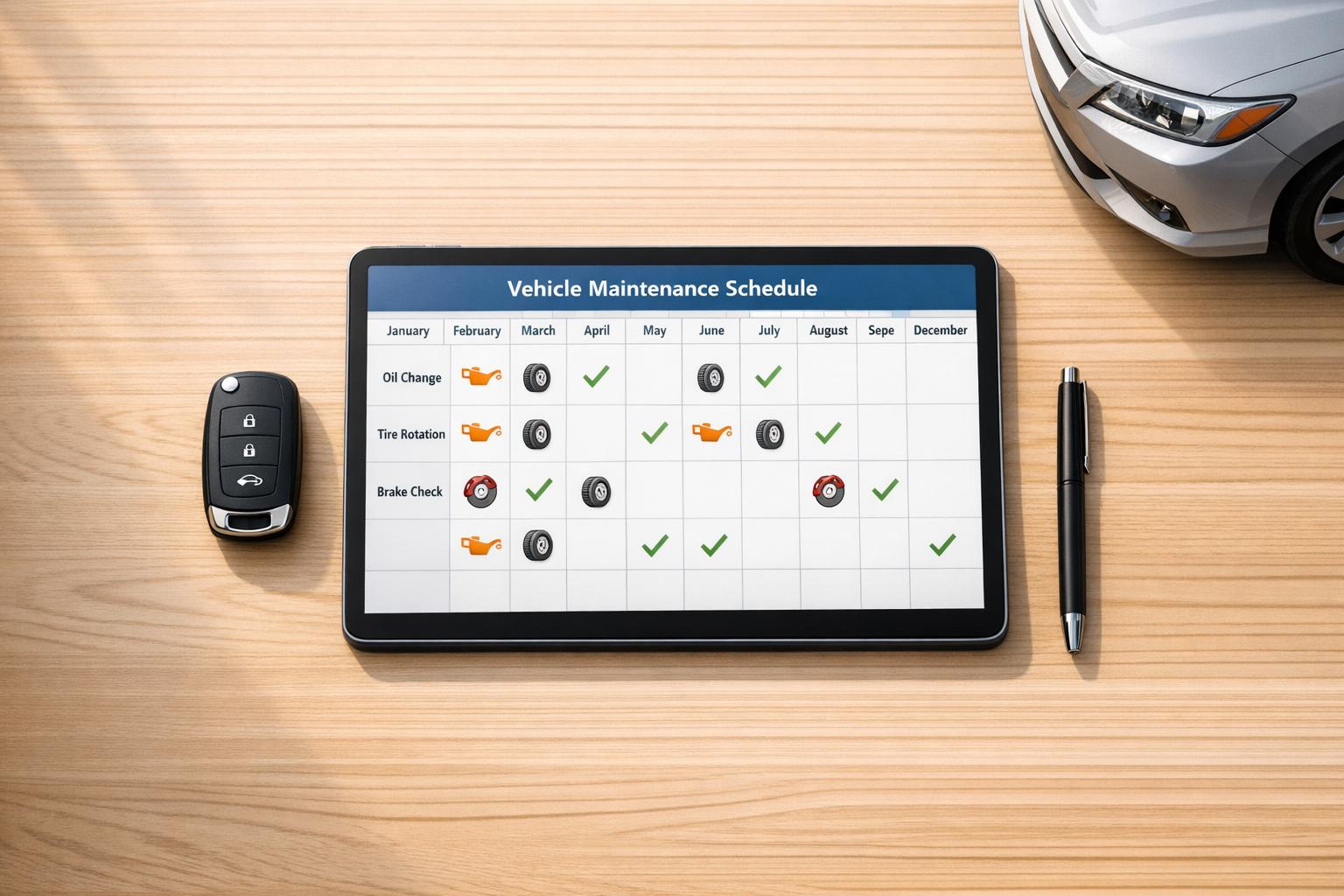
Owning a car comes with the responsibility of regular upkeep, but figuring out when to schedule services can feel like a chore. That’s where a tailored vehicle care timeline comes in handy. By mapping out essential tasks like oil changes, tire rotations, and brake inspections, you can prevent small issues from turning into expensive repairs. Plus, staying on top of your car’s needs boosts its longevity and keeps you safe on the road.
Every car has unique requirements based on its make, model, and how you drive. Whether you’re navigating city streets daily or tackling rough terrain, a personalized auto service plan ensures you’re not missing critical checkups. For instance, harsh driving conditions might mean more frequent oil changes, while milder use could stretch those intervals. Tools that help you organize this—like a digital planner—make it easier to stay proactive. They take your driving habits and mileage into account, giving you a clear roadmap. So, take a moment to build a schedule that fits your ride, and drive with confidence knowing you’ve got it covered.
Great question! Severe driving conditions—like frequent short trips, towing, or driving in extreme weather—can wear out your car faster. Our tool shortens the standard maintenance intervals by about 20% for these conditions. For example, if an oil change is typically recommended every 5,000 miles, we’ll suggest it at 4,000 miles instead. That said, every vehicle is a bit different, so double-check your owner’s manual.
Absolutely, this tool works for most passenger cars, SUVs, and light trucks. You’ll input your car’s make, model, and year, and we’ll base the schedule on general manufacturer guidelines. While it’s a solid starting point, some vehicles have unique needs, so I always recommend glancing at your manual or chatting with your mechanic for anything specific.
The dates are a helpful estimate based on an average of 1,000 miles driven per month, which fits most drivers. If you drive more or less than that, the actual timing will shift a bit. The mileage markers for each task—like tire rotation at 7,500 miles—are the real guideposts here. Use the dates as a rough plan, and keep an eye on your odometer for precision.
