
March 31, 2026
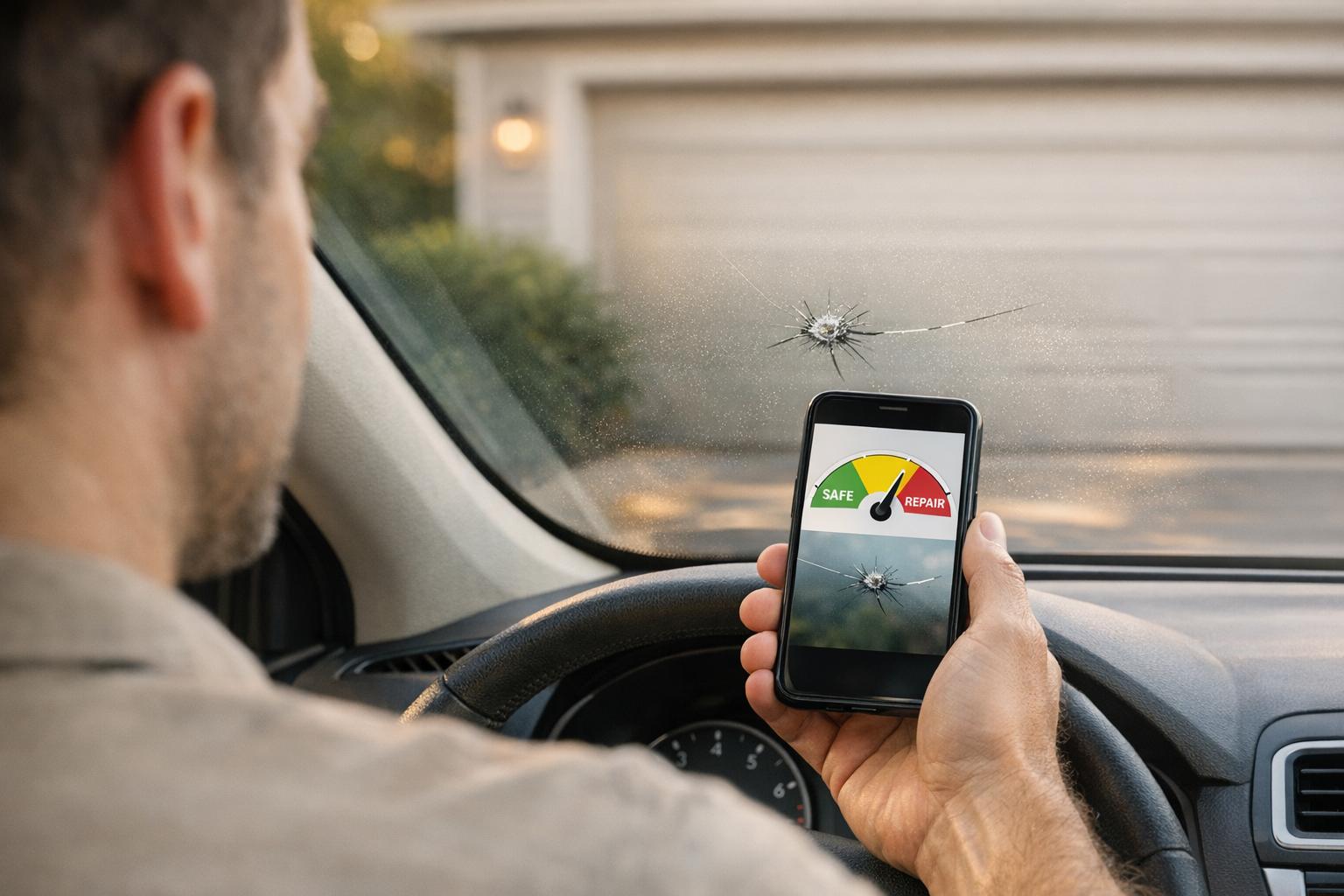
When you spot a chip or crack on your car’s windshield, it’s easy to wonder if it’s a quick fix or a bigger problem. Assessing vehicle glass damage isn’t always straightforward, but knowing the severity can save you time, money, and hassle down the road. Whether it’s a tiny nick from a flying pebble or a sprawling fracture across your driver’s side, the type, size, and spot of the issue all play a role in what’s needed.
Ignoring a small blemish on your car window can lead to bigger issues. A minor chip might seem harmless, but temperature shifts or a bumpy ride can turn it into a full-blown crack. That’s where tools for evaluating automotive glass conditions come in handy—they give you a starting point to understand the damage. For example, damage in critical areas like your line of vision often demands immediate attention, while edge issues might be less urgent. Acting early can prevent a costly replacement and keep you safe on the road. If you’re unsure, pairing a digital check with a pro’s opinion ensures you’re making the right call.
This tool provides a general recommendation based on standard guidelines for auto glass damage. For instance, a small chip on the edge often just needs a repair, while a crack in your direct line of sight might mean a replacement. That said, every situation is unique, so we always suggest getting a professional inspection to confirm the best course of action.
Our tool is a great starting point to get a sense of what you might need, using inputs like damage size and location to guide you. However, it’s not a substitute for an expert’s eyes. A trained technician can spot underlying issues we can’t assess digitally, so consider this a helpful first step before heading to a shop.
Auto glass damage can spread over time, especially with temperature changes or road vibrations. If you’ve got a crack or chip, don’t wait too long to act—even if our tool suggests a repair. Driving with damaged glass can be risky, so book a professional checkup ASAP to keep things safe.
